

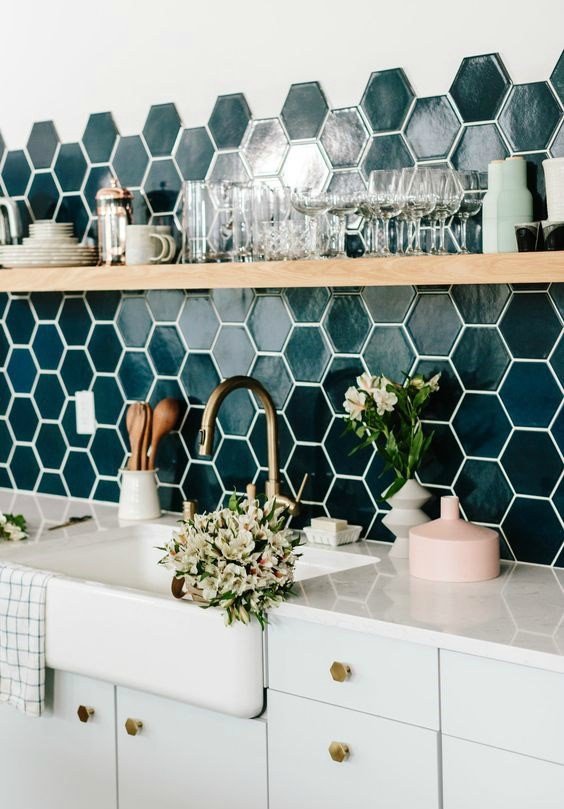
The Beauty and Versatility of Ceramic Tiles
Ceramic tiles have been a popular choice for interior design and building projects for centuries due to their durability, versatility, and aesthetic appeal. These small ceramic pieces have a long history and remain a timeless favorite in homes, restaurants, hotels, and public spaces around the world. In this article, we'll delve deeper into the world of ceramic tiles, their history, production process, applications, and why they remain so beloved in the modern era.
A Look Back at the History of Ceramic Tiles
The history of ceramic tiles dates back to well before modern times. Originally, ceramic tiles were used by ancient civilizations like the Egyptians and Babylonians for both decorative and functional purposes. The ancient Greeks and Romans used ceramic tiles to create beautiful mosaics that have been preserved in archaeological excavations to this day.
During the Middle Ages, ceramic tile production flourished in Spain and Portugal, where artisans created intricate designs and patterns that left behind a rich artistic legacy. The Moorish influence on ceramic tile production in these regions resulted in the famous azulejos, with their colorful geometric designs.
In the 17th century, the production of ceramic tiles began in the Netherlands, particularly in Delft, known as Delftware. These tiles were often decorated with delicate blue and white motifs and were used to enhance elegant interiors.
The Production Process of Ceramic Tiles
Ceramic tiles are made from clay, a natural material that becomes hard and durable after processing. The production process involves several steps:
1. Clay Preparation: First, the clay is thoroughly mixed, purified, and sieved to remove impurities. This ensures a homogeneous texture and quality of the tiles.
2. Shaping: The clay is molded or pressed into the desired shape, depending on the type of tile being made. For hand-painted tiles, molds are often used to ensure uniform dimensions.
3. Drying: The formed tiles are dried to remove excess moisture. This prevents cracking during the firing process.
4. Firing: The dried tiles are fired at very high temperatures in a ceramic kiln, usually between 1000 and 1200 degrees Celsius. This process makes the tiles hard and durable.
5. Glazing: Optionally, the tiles are glazed to give them a smooth, glossy surface and to protect them from stains and damage. This is where the colors and decorative patterns are added.
6.Firing (again): After glazing, the tiles are fired again to melt the glaze and bond it to the tiles.
7. Inspection and Packaging: Each tile is carefully inspected for defects and then packed for shipment.
Applications of Ceramic Tiles
Ceramic tiles have a wide range of applications in both residential and commercial settings. Here are some popular uses:
1. Floors
Ceramic tiles are ideal for floors because of their durability and ease of cleaning. They are resistant to wear and tear and retain their color and shine, even in high-traffic areas.
2. Wall decoration
Ceramic tiles can be used to create beautiful accent walls in living rooms, bathrooms, and kitchens. They add a touch of luxury and style to any interior.
3. Backsplashes
Ceramic tiles are popular as backsplashes in kitchens. They protect the walls from splashes and spills and are easy to clean.
4. Bathrooms
Ceramic tiles are a common choice for bathroom floors and walls because of their moisture resistance. They can also be used to clad showers and bathtubs.
5. Swimming pools
For outdoor pools, ceramic tiles are ideal because of their resistance to water and the ability to create slip-resistant surfaces.
6. Commercial Spaces
From restaurants to hotels and shopping malls, ceramic tiles are often used in commercial spaces because of their durability and ease of maintenance.
Why Ceramic Tiles Are Still in Demand
Despite the evolution of materials and design trends, ceramic tiles remain popular in modern interiors. Here are a few reasons why they're still popular:
1. Sustainability
Ceramic tiles are extremely durable and last for years without losing their quality. They are resistant to scratches, stains, moisture, and wear, making them ideal for high-traffic areas.
2. Versatility
They are available in a wide variety of colors, patterns and sizes, making them suitable
There are ceramic tiles for virtually any design concept. Whether you have a modern, classic, rustic, or eclectic interior, there are ceramic tiles to suit your style.
3. Ease of maintenance
Ceramic tiles are easy to clean and maintain. A simple sweep or mop keeps them in top condition, and they are resistant to most household cleaning products.
4. Health and Hygiene
Ceramic tiles contribute to a healthy living environment because they do not retain allergens and do not contribute to the growth of mold or bacteria.
5. Environmental friendliness
Modern ceramic tile production processes have become increasingly environmentally friendly, with less waste and energy wastage.
6. Long-Term Investment
While the initial cost of ceramic tiles may be higher than some other floor and wall covering materials, it's important to note that they are a long-term investment because of their durability and lasting beauty.
Ceramic tiles have proven themselves as a timeless choice for both functional and aesthetic purposes. Whether you're planning a bathroom renovation, want to install a new kitchen backsplash, or simply want to add a touch of style to your home, consider ceramic tiles as a versatile and durable option. With their rich history and contemporary appeal, ceramic tiles will continue to play an important role in interior design and construction projects for many years to come.
Our offer on Ceramic Tiles
View part of our range of Ceramic Tiles below, or view the entire range here.
If you have any questions, please don't hesitate to contact us. We're here to help.


